
EV Won't Charge Properly? We Diagnose.
EV Charging Issues Explained
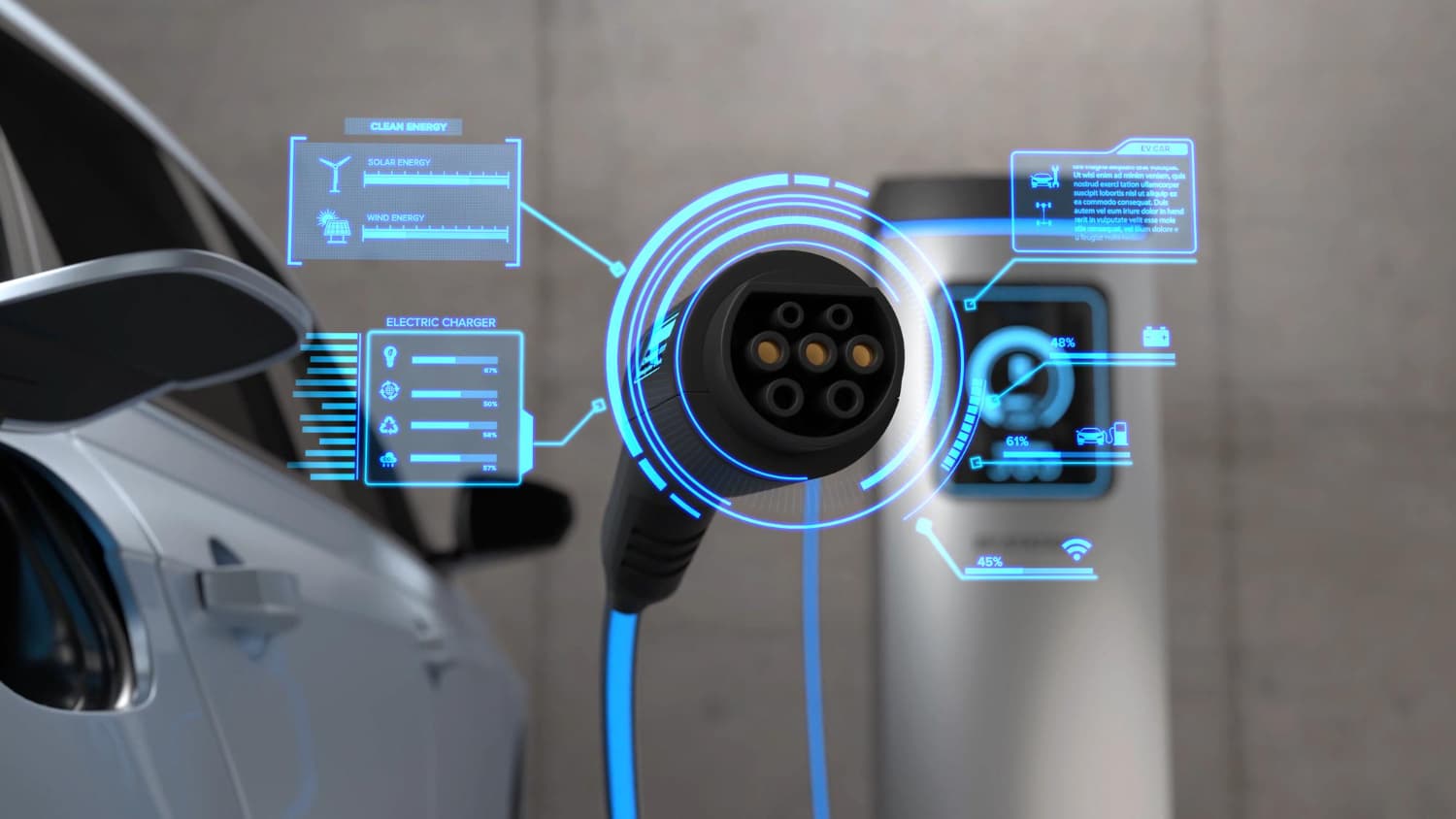
Comprehensive Charging Diagnostics
VEHICLE-SIDE ISSUES
Onboard Charger Failure
AC charger (in the car) not working.
Charging Port Fault
Corroded or damaged charging port (AC or DC).
Battery Management System Fault
Won't accept charge.
Communication Error
Charger and car can't communicate (handshake / protocol fault).
Cable Connection
Loose connections, damage.
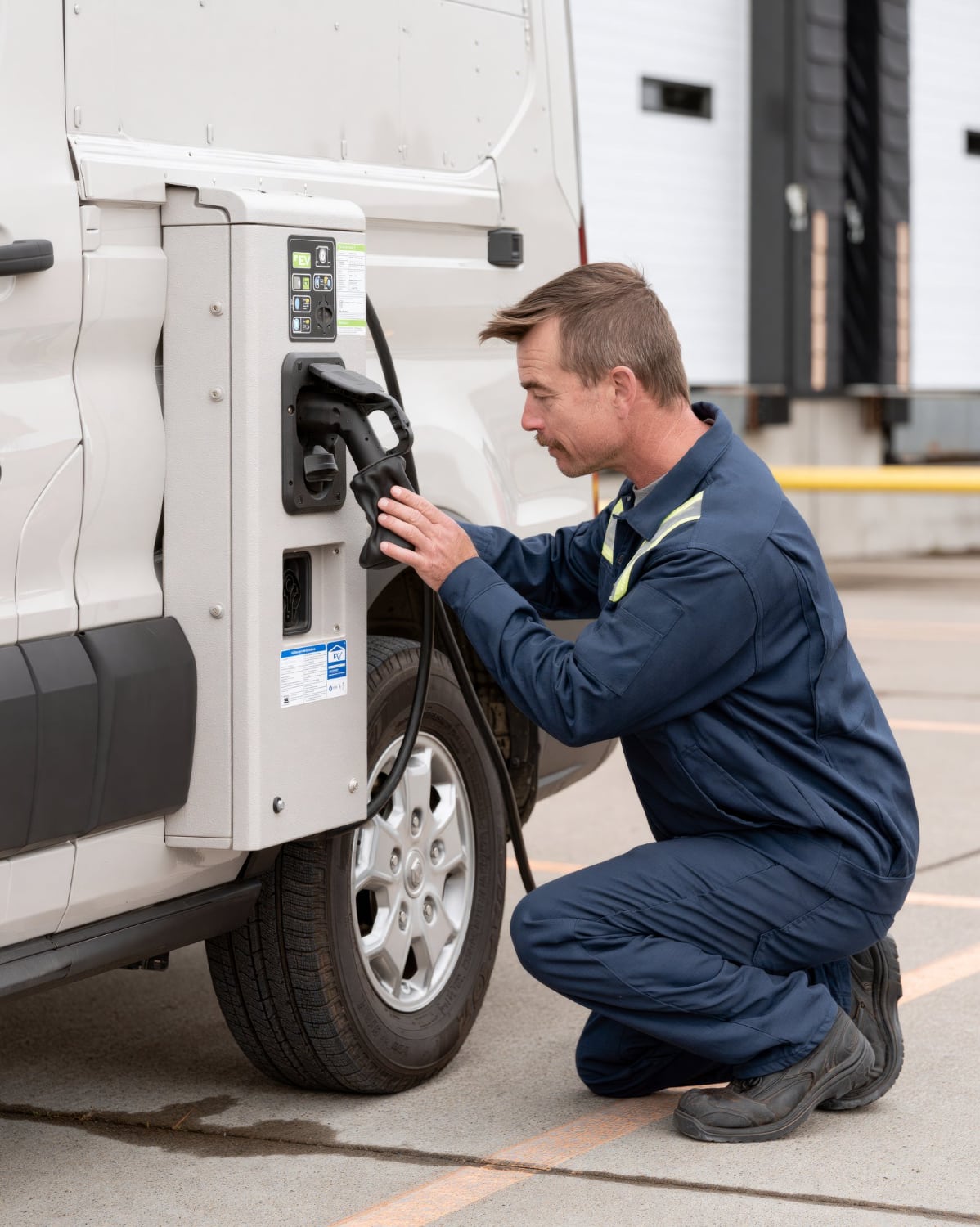
CHARGER-SIDE ISSUES
AC Home Charger (Wall Box)
Not delivering power.
DC Fast Charger
Compatibility or communication issues.
Cable Damage
Cut, cracked, or faulty cable.
Power Supply
Charger isn't getting power.
The Diagnostic Process
We identify whether the problem is your charger, your vehicle, or the connection between both.
Vehicle Connection
Read charging-related fault codes.
Charger Testing
Measure charger output and functionality.
Cable Inspection
Visual and electrical testing of charging cables.
Communication Test
Verify vehicle-charger handshake.
Report
Identify the faulty component and recommended fix options.
Charging Problems We Diagnose

Slow Charging
Problem
Car charges at 1kW instead of 7kW.
Likely Cause
Battery temperature limiter.
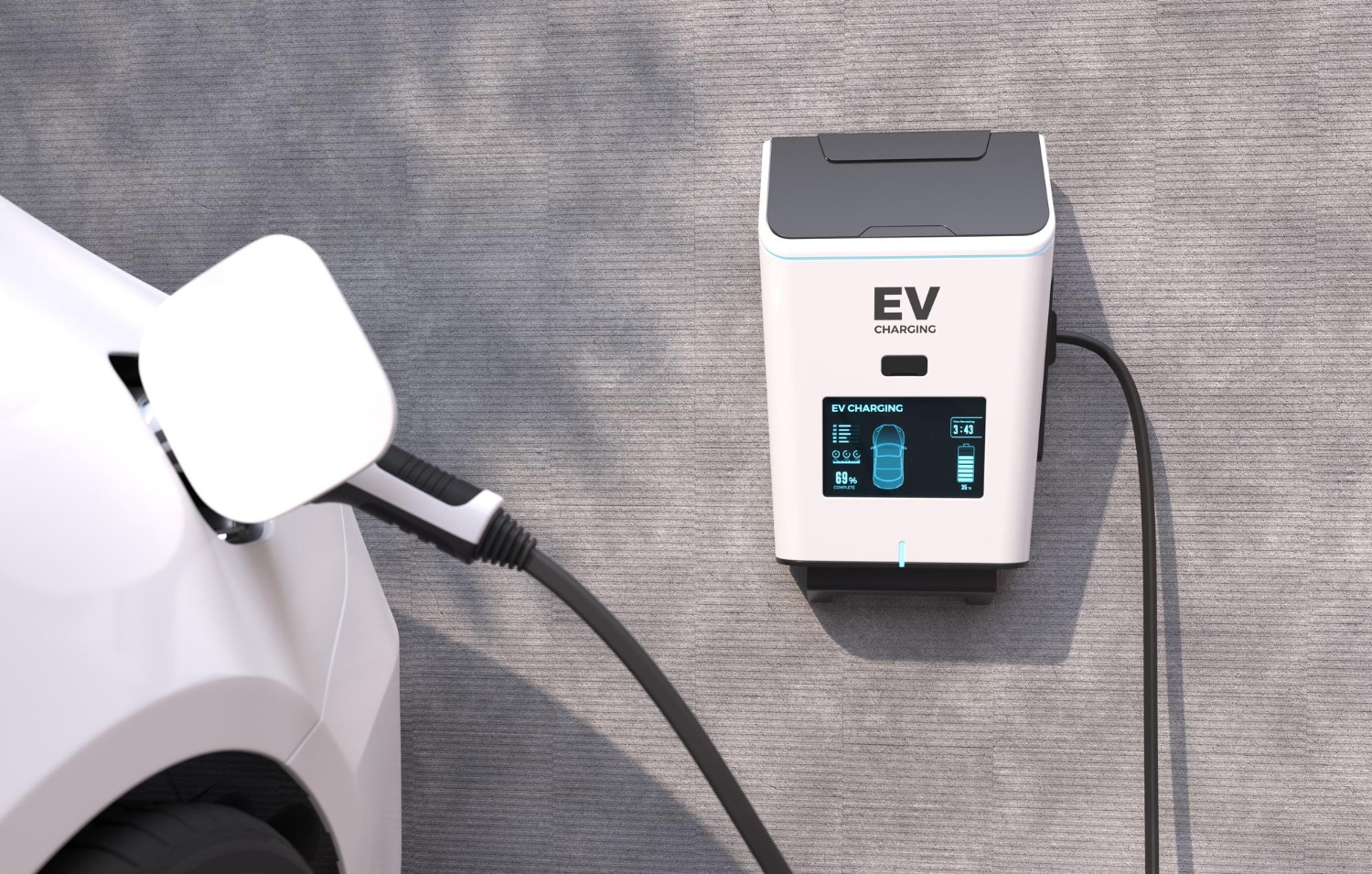
DC Charger Compatibility
Problem
DC charger shows "incompatible".
Likely Cause
Authentication fault.
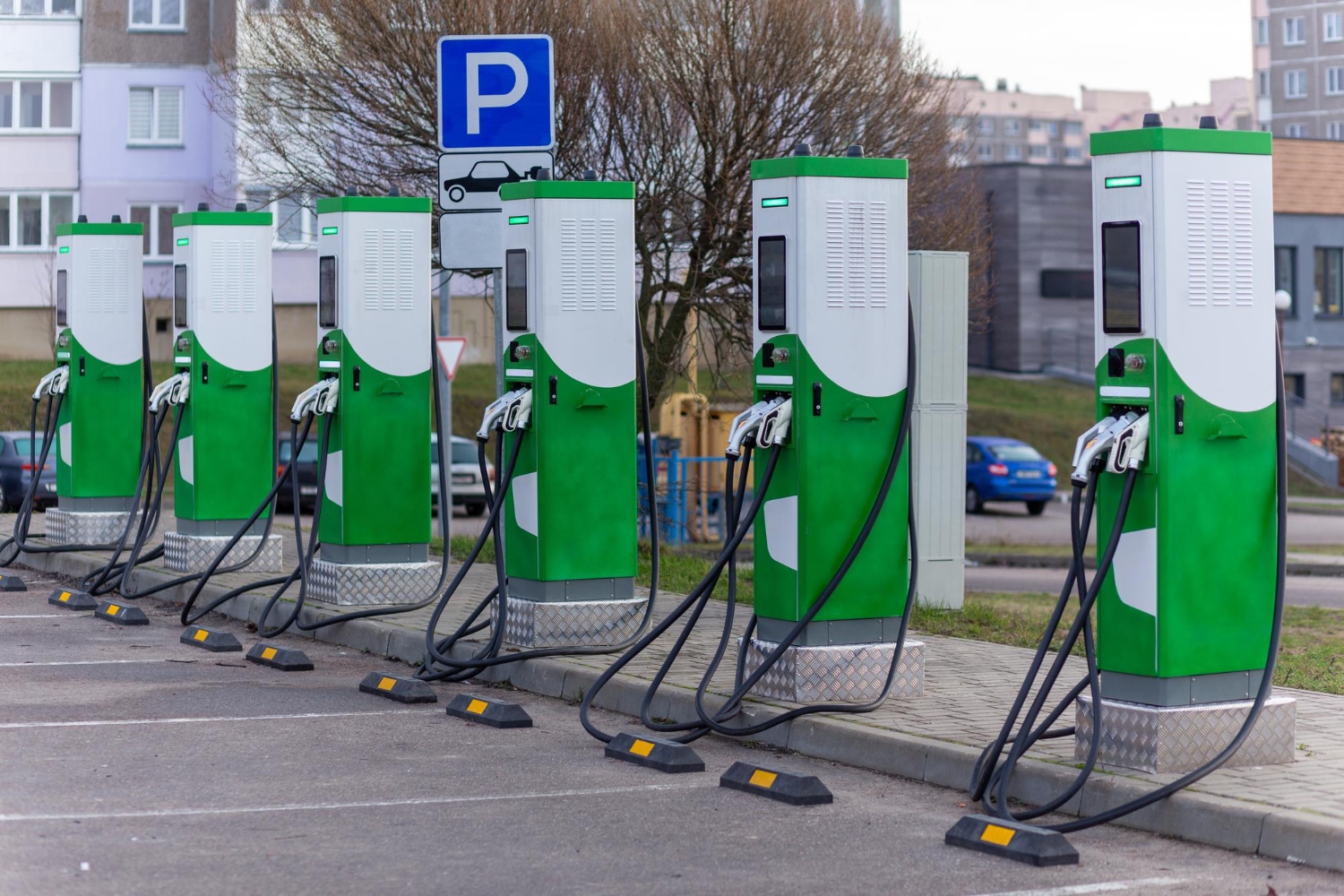
Public Charging Issues
Problem
Home charger works, public charger doesn't.
Likely Cause
Charging port issue.
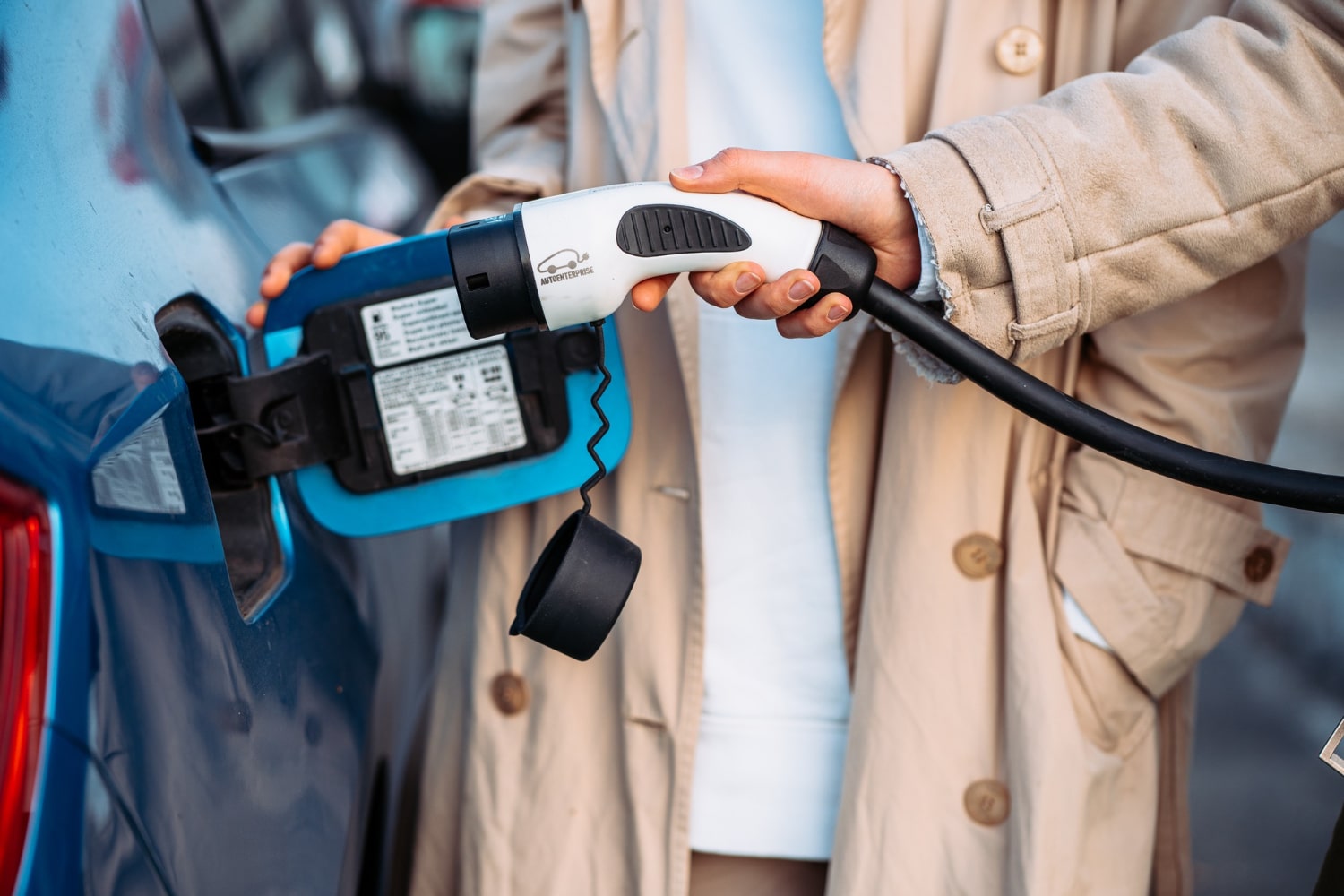
Scheduled Charging Problems
Problem
Vehicle charges during day but not night.
Likely Cause
Scheduled charging setting issue.
Simple Checks Before You Book
-
Try a different charger or a different cable, if you can. If the car charges normally elsewhere,
the fault is probably in the charger or cable rather than the car. - Check the charging timer or scheduled-charging setting in the car and in the app.
- Look at the charging port for dirt, moisture or bent pins.
- Note any message shown on the dashboard or the charger – it helps us diagnose faster.
Frequently Asked Questions
My car charges at home but not at public rapid chargers. Why?
Home charging uses AC and the car’s onboard charger. Rapid charging uses DC
and different pins in the port. A fault in the DC side or in the
communication with the charger can stop rapid charging while home charging
still works.
Why is my car charging more slowly than it used to?
Common causes are a cold battery, a charging limit set in the car, a fault in
one phase of the onboard charger, or the charger reducing power. A test shows
which.
How long does a charging diagnostic take?
Typically about an hour.
Charging Diagnostic - €130
- Full charging system check
- Identify exact cause
- Clear explanation and recommendations